Track Gallery
Tracks and Variations
Featured track: Static Heart (Salt & Sand)











Editorial
Release Story
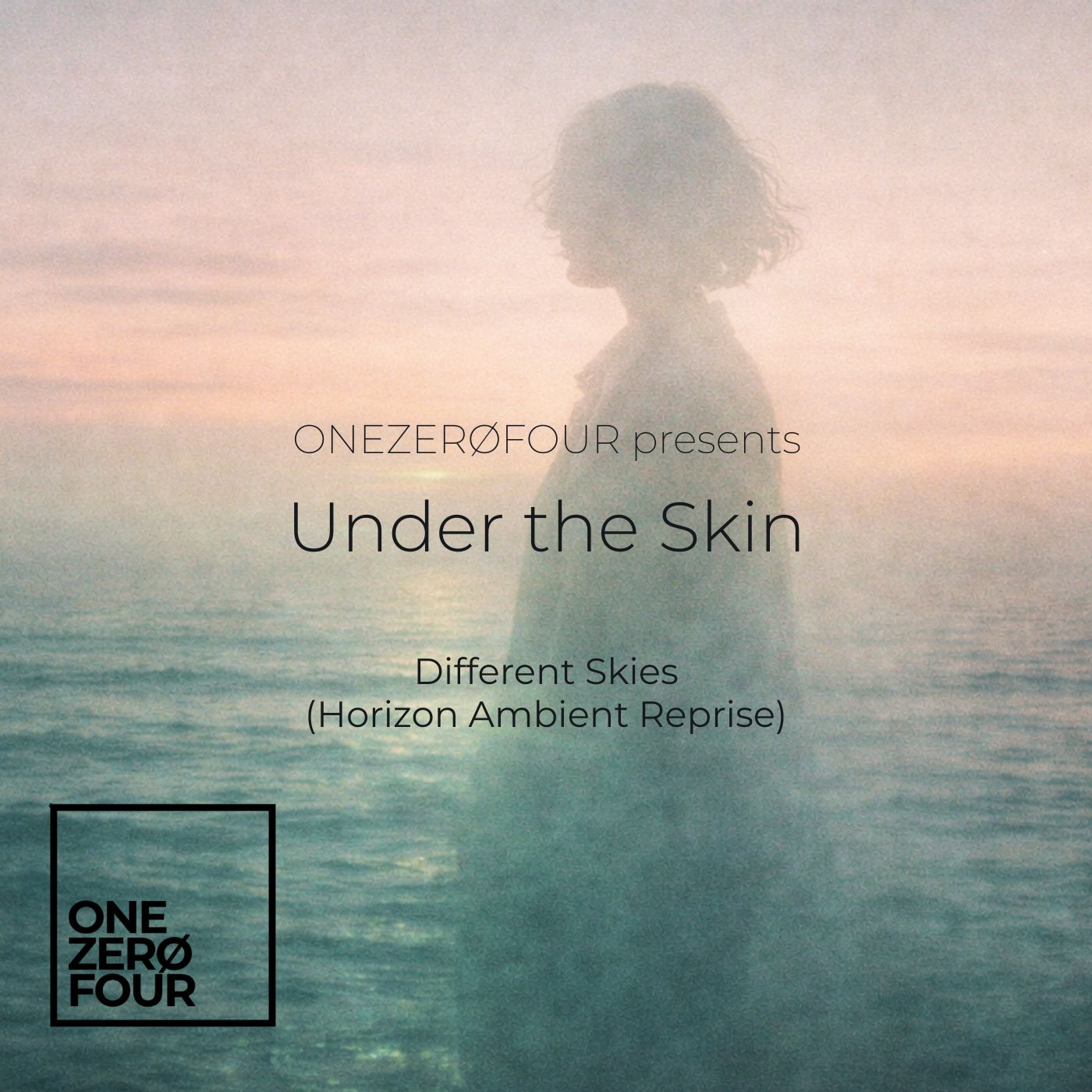
Under the Skin – An Album About Love, Time, and the Modern Condition
There are albums that tell stories, and there are albums that trace states of mind. Under the Skin does both.
At its core, this record explores a single, deceptively simple idea: Right Person, Wrong Time. Two people who connect deeply, authentically, undeniably — yet cannot remain aligned. Not because of villainy or melodrama, but because of time, context, internal fracture, and the quiet mechanics of modern life.
Across ten tracks, Under the Skin moves through literature, psychology, urban anxiety, and memory. It draws on the Modernist obsession with fragmentation — the idea that even when we stand in the same room, we may inhabit different realities. We see the world through different eyes. We speak different emotional languages. We live beneath different skies.
But this album doesn’t just reference those ideas. It embodies them.
Surface Noise / Inner Pulse
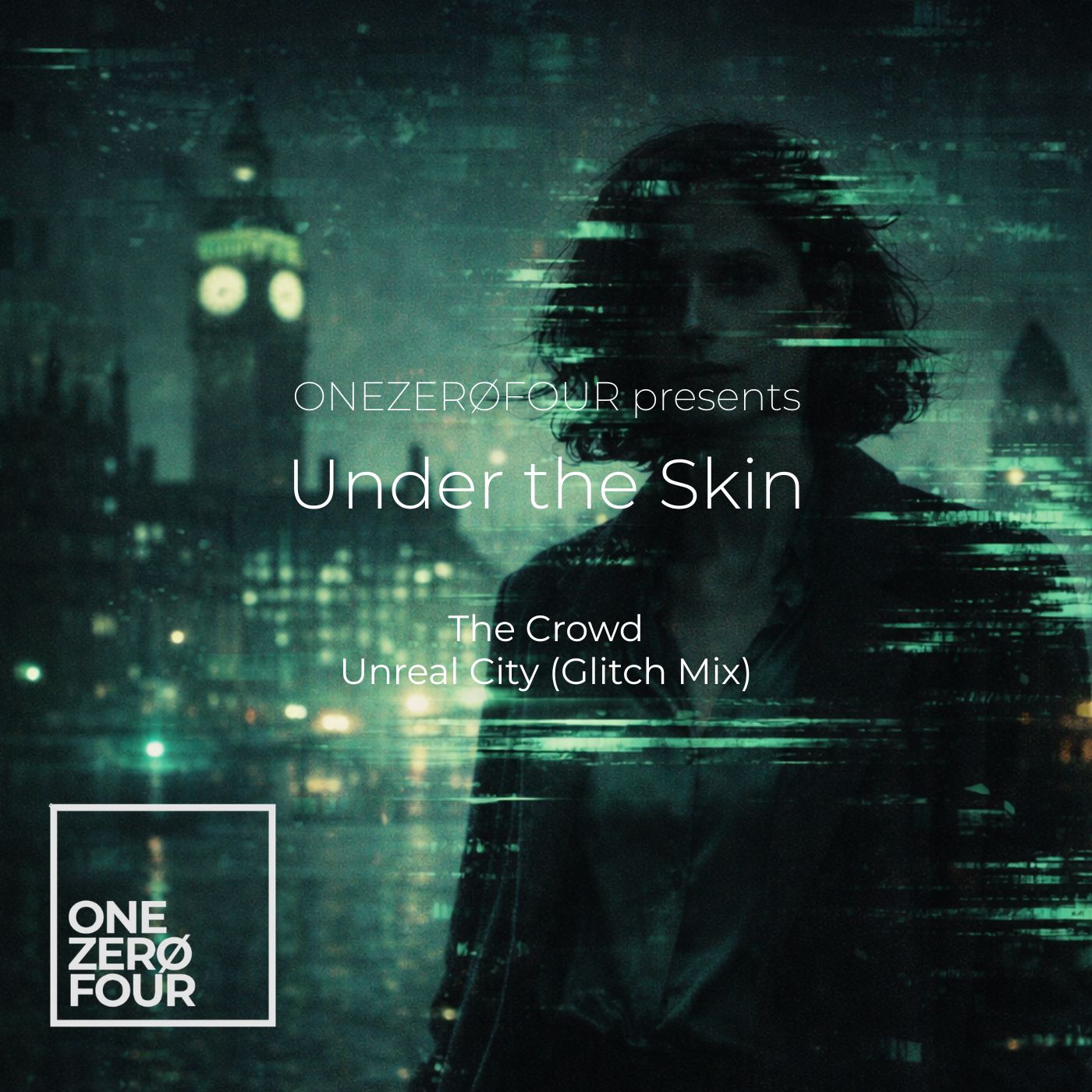
The journey begins outwardly — with The Crowd (London Bridge Is Falling) — inspired by T.S. Eliot’s vision of commuters flowing over London Bridge like ghosts. The city is mechanical. The rhythm is relentless. Identity dissolves into repetition. The sound is kinetic, jagged, collage-like. It feels modern, fractured, noisy.
From there, we turn inward.
The Internal Clock (The Big Beat Flip) introduces subjective time — the weight of memory pressing against the present moment. A single day stretches across decades. The tick of the clock becomes existential percussion.
By the time we reach Static Heart (Salt & Sand) — the emotional centrepiece — the album has descended beneath the social surface. Here, the production shifts into Bristol-inspired trip-hop textures: dusty breakbeats, heavy sub-bass, intimate vocal space. The lyrics explore paralysis — the inability to speak what we feel until it’s too late.
The album’s title comes alive here. Love doesn’t vanish. It lingers — under the skin.
War Without Cannons
Midway through the record, the external battlefield transforms into an internal one.
The War of Position (The Internal Conflict) reframes the Modernist “war” as something contemporary: burnout, digital saturation, emotional attrition. There are no trenches — only blue light, algorithms, and exhaustion. It’s not dramatic. It’s slow erosion.
The Green Light shifts the mood into nostalgic glamour — inspired by Gatsby’s unreachable signal across the bay. The production shimmers, but beneath the gloss lies emptiness. You can build a palace. You cannot buy back a version of someone that no longer exists.
Then everything falls silent.
The Ache That Remains
The Phantom Limb (Interlude) is the emotional vacuum after illusion collapses. Ambient, minimal, intimate. It explores the body’s memory of love — the way absence still registers as presence. Even when the mind accepts the ending, the nerves do not.
From there, the album moves geographically and psychologically in The Painted Veil, exploring exile, displacement, and redemption. Two hearts beneath different skies becomes literal. The world changes. So does identity.
The Valley and the Rise
The Shadow (Lo-Fi Version) descends into spiritual emptiness — inspired by The Hollow Men. It is industrial, stark, almost post-human. This is the emotional lowest point: when the relationship has collapsed and the self feels hollowed out.
But the album does not end in collapse.
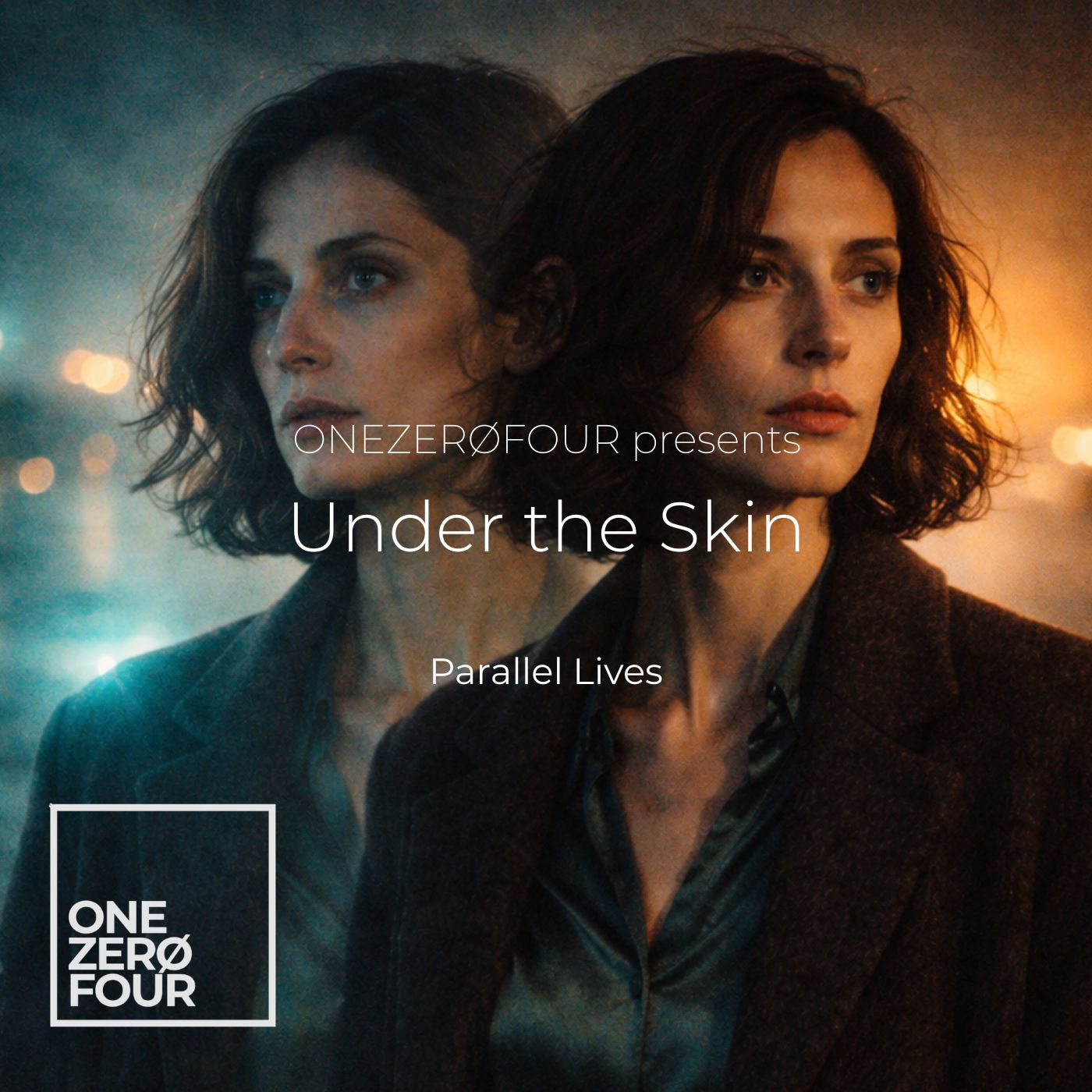
Parallel Lives introduces the “another life” motif — the idea that in a different timeline, in a different alignment of choices and circumstances, the love could have worked. It is not naïve hope — it is speculative tenderness.
Finally, Different Skies closes the journey with acceptance. Not triumph. Not tragedy. Just the quiet recognition that love can be real — and still unsustainable.
Sound as Narrative
Musically, Under the Skin blends Bristol trip-hop grit with downtempo noir textures, cinematic orchestral swells, industrial mechanical percussion, lush nu-jazz warmth, and sparse ambient interludes. The palette shifts deliberately as the emotional narrative deepens. The opening surface is restless and noisy, mirroring urban fragmentation. As the album turns inward, the production becomes more intimate and restrained. At its lowest valley, the sound grows mechanical and hollow, reflecting emotional erosion. By the closing moments, the arrangement strips back to something minimal and human again — quiet, exposed, and clear.
Each track mirrors its thematic source not as homage, but as reinterpretation. Modernist literature becomes sonic architecture. Psychological fragmentation shapes arrangement and rhythm. Memory is rendered as texture — vinyl crackle, distant echoes, fading motifs. The production itself becomes part of the storytelling.
What the Album Ultimately Says
Under the Skin is not simply about lost love. It explores time as an antagonist, memory as distortion, and identity as something that evolves and sheds like skin. It confronts the illusion that the past can be reclaimed and the ache that persists long after logic has resolved what the heart cannot.
The album accepts that love can be real while timing is not — that two people may be emotionally aligned yet historically misaligned. Not every tragedy is explosive. Some unfold quietly, without spectacle. Not a bang, but a whimper — and yet, even in that quiet ending, something remains beautiful.
Recommended Listening
Other Tracks
The Light That Never Goes Out
152.00 BPM / G major
Downtempo / Electronic / Trip-Hop
The album’s central axis. A steady, persistent presence emerges — not as hope or resolution, but as endurance. Balanced, grounded, and quietly resolute.
The Final Silence
123.05 BPM / A minor
Downtempo / Electronic / Trip-Hop
Space opens up. Sound recedes. The track rests in stillness, allowing the weight of what’s come before to settle without explanation.
The Path Forward
152.00 BPM / A major
Downtempo / Electronic / Trip-Hop
Subtle movement enters the frame. Rhythm and direction appear without urgency, suggesting momentum rather than destination.
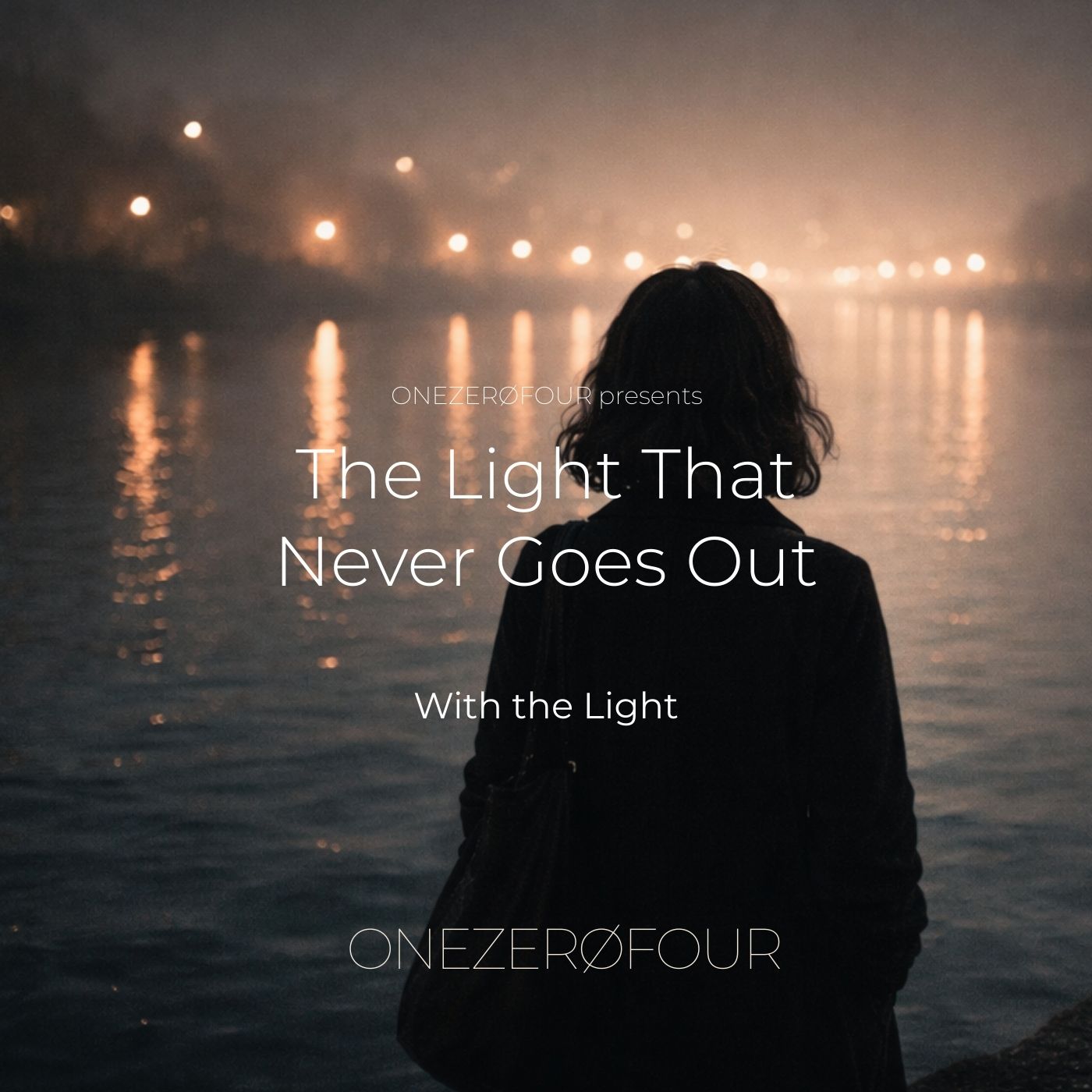
With the Light
172.27 BPM / F minor
Downtempo / Electronic / Trip-Hop
The closing track doesn’t resolve the journey — it inhabits it. Warm, steady, and quietly open, it ends the album in equilibrium rather than triumph.
Catalog Navigation